Electronics, home goods, and kitchen appliances are highly popular because they have high resale values and are relatively easy to test and list.
Buying & Reselling Amazon Pallets for Profit
Learn how to successfully source and resell Amazon pallets. Discover where to find authentic Amazon liquidations and how to turn these liquidation pallets into a highly profitable business.
Rostislav Shejbal
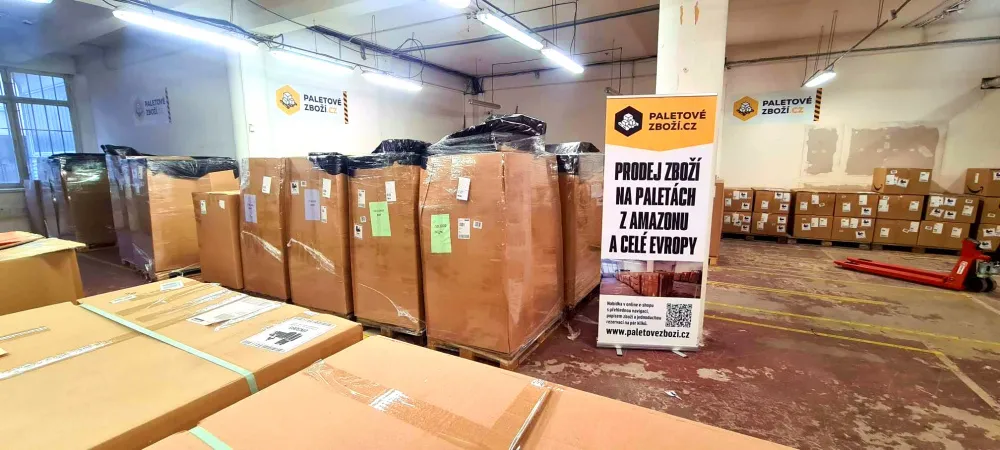
Table of contents
- What Are Amazon Pallets?
- What's Typically Inside an Amazon Return Pallet?
- Why Source Amazon Pallets?
- How to Inspect and Process Your Pallets
- Maximizing Profits from Liquidation Pallets
- Frequently Asked Questions
If you have ever wondered what happens to the millions of customer returns, overstocked products, and shelf-pulls that flow through the world's largest online retailer daily, the answer lies in the liquidation market. Buying amazon pallets has become one of the most lucrative ways for side-hustlers and full-time resellers to source inventory. These mixed lots offer a treasure trove of products at a fraction of their retail value.
However, navigating the world of amazon pallets and amazon liquidations can feel overwhelming if you are just starting out. In this guide, we will break down everything you need to know about sourcing, inspecting, and profitably reselling liquidation pallets.
What Are Amazon Pallets?
Amazon pallets are large crates or shrink-wrapped lots containing inventory that Amazon no longer wants to store. This typically falls into three main categories: customer returns (items sent back by buyers), shelf-pulls (items that didn't sell and were removed from store inventory), and warehouse overstock. Because Amazon prioritizes warehouse space efficiency, they package these items into mixed lots and sell them off in bulk as liquidation inventory.
What's Typically Inside an Amazon Return Pallet?
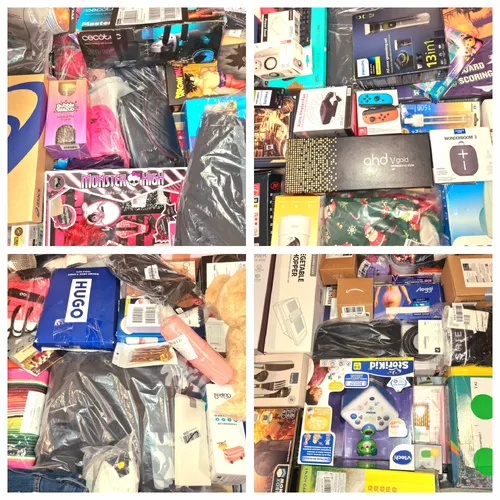
One of the biggest draws of sourcing Amazon pallets is the sheer variety of items you might receive. Because returns are processed by the truckload, pallets are often grouped by broad categories. Here are the most common categories you will find:
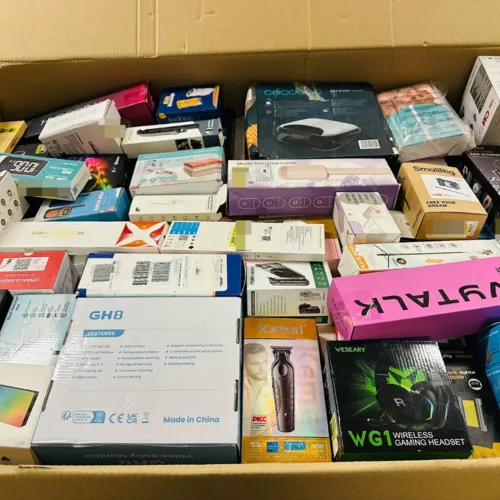
- Consumer Electronics: High-demand items like bluetooth headphones, smart home devices, chargers, and tablets. These often have high resale value.
- Home & Kitchen Goods: Items ranging from coffee makers and air fryers to bedding, vacuums, and kitchen utensils.
- Apparel & Accessories: Shoes, bags, clothing items, and accessories. These can be highly profitable but require sorting by size and style.
- Toys & Games: Board games, action figures, baby items, and seasonal toys. Excellent for year-round reselling.
Want to see our amazon pallets?
Discover our latest arrivals of high-quality Amazon customer returns, overstocks, and liquidation lots available for purchase today.
View amazon palletsWhy Source Amazon Pallets?
Sourcing from these liquidation channels provides three major advantages:
- High Profit Potential: Amazon pallets are sold for pennies on the dollar, leaving plenty of room for markup.
- Brand Name Products: You gain access to recognized brands that customers are already searching for.
- Sourcing Efficiency: Instead of spending days visiting individual thrift stores or retail clearance aisles, you receive hundreds of items at once when buying bulk pallets.
How to Inspect and Process Your Pallets
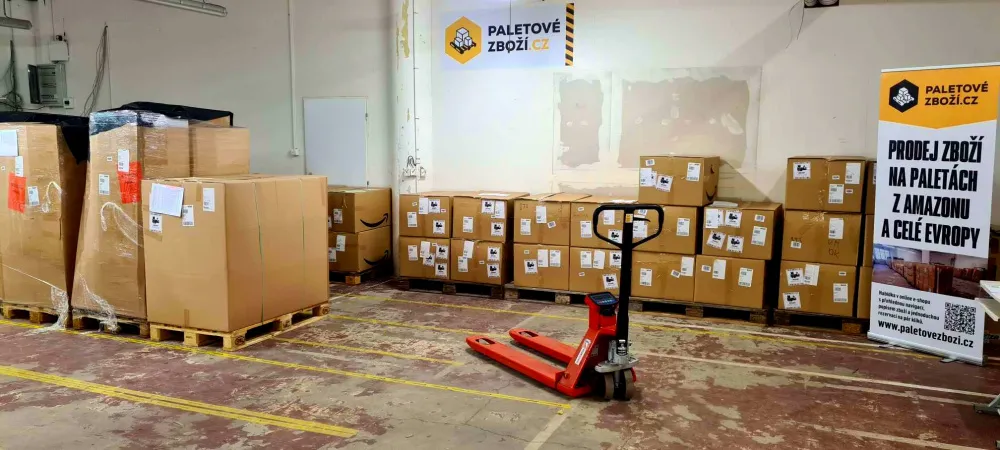
Once your Amazon pallets arrive, the real work begins. First, carefully manifest and inspect every item. Separate them into three categories: "Ready to List" (items in new or like-new condition, typically falling under Grade A, B, and C classifications which resellers normally operate with; find detailed information about the gradings here), "Needs Attention" (open-box items that require cleaning, minor repair, or missing parts), and "Salvage" (broken items that can be sold for parts or grouped into junk drawers). Proper grading ensures that you set accurate buyer expectations and maintain high rating metrics on platforms like eBay, Amazon, or local marketplaces.
Maximizing Profits from Liquidation Pallets
To succeed with liquidation inventory from Amazon pallets, you must diversify where and how you sell. High-value electronics and clothing sell best on eBay or Poshmark, while heavy items (like furniture or kitchen appliances) are perfect for Facebook Marketplace or local yard sales to avoid high shipping costs. Remember to factor in shipping fees, listing fees, and processing time when calculating your overall return on investment.
Join our Wholesale Group
Get direct broadcast updates on daily wholesale pallets, new clearance lots, and liquidation deals.
Frequently Asked Questions
What are the best categories to source in Amazon pallets?
Are all items in Amazon liquidations in working condition?
No. Amazon pallets contain a mix of brand-new overstocks and customer returns. Some return items may be damaged, missing accessories, or require minor repairs.
Do I need a business license to buy liquidation pallets?
While some liquidation platforms require a resale certificate or business license to purchase tax-free, many allow individual buyers to make purchases by paying local sales tax.
How much does shipping cost for Amazon pallets?
Shipping costs depend heavily on the weight of the pallet, dimensions, and distance from the warehouse to your location. Utilizing freight shipping and sourcing from local warehouses can significantly reduce this cost.
What platforms are best for reselling items from Amazon pallets?
The best platform depends on the item. Electronics and designer clothing do very well on eBay or Poshmark, whereas large/heavy items (like appliances or furniture) are best sold locally on Facebook Marketplace or Mercari.
How can I verify if a seller of Amazon pallets is legitimate?
Only buy from reputable liquidation platforms, check reviews, read manifests carefully, and be cautious of sellers offering mystery pallets on social media without detailed listings or company details.
Recently added products
A grade
B grade
Stock: 20 Pallets
AMAZON 80% Electro Multimedia
80% Electronics and multimedia
Condition: 90% AB
Inside: 150-230 pcs
Truck: 60 cartons every week
Size: 120×80×120 cm
Weight: 150-175 kg
900€
/ Pallet
B grade
Stock: 100 Pieces
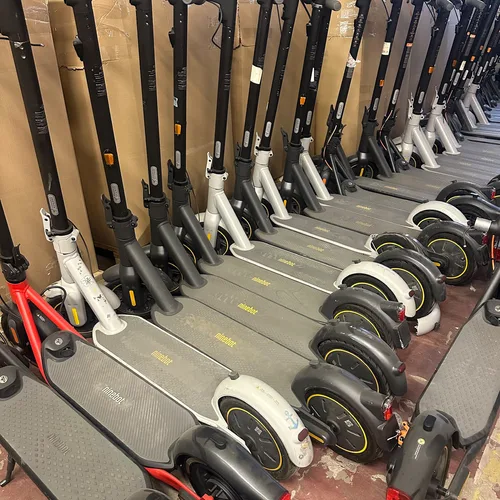
Segway eKickScooter Ninebot F40E
Condition: Most working, some need small repair (without adapter)
Quantity: 100 pcs
MAX RANGE: Up to 40 km
BATTERY: 367 Wh
TOP SPEED: 25 Km/h
WEIGHT: 15.8 kg
129€
/ Piece
A grade
B grade
Mix Returns
Stock: 6 Pallets
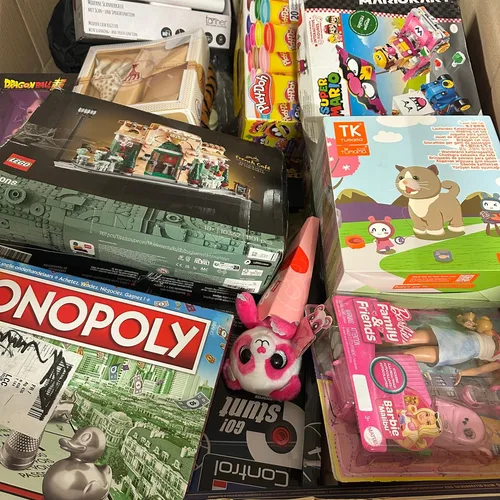
Toys pallets
Inside is around 200 pcs
Category: Mixed returns, most are AB
700€
/ Pallet

A grade
B grade
Stock: 20 Pallets
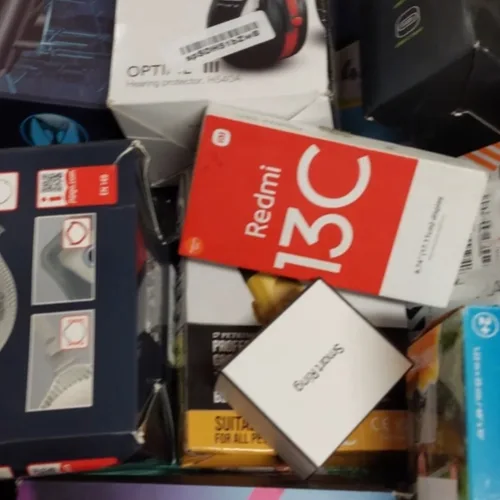
Amazon 100% Electro Multimedia
Amazon Germany
Condition: 90% AB
Inside 150-180 pcs
MOQ: 2 pallet
Weight: ~100 - 110kg
Pallet size: 120x80x90cm
Best price for full LKW
700€
/ Pallet
A grade
B grade
Stock: 50 Pallets
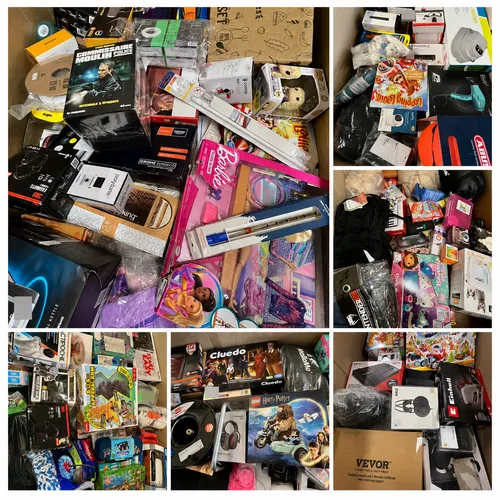
PERFECT mix Amazon pallets
NEW PALLETS CATHEGORY
Inside: more Electro, Household, Tools, Sport, Multimedia, Toys, Clothes, Textil and more
Grade: 90% AB
Weight: ~110 kg
Size: 120x80x90 cm
Inside: 150-200 pcs
Full truck ready
500€
/ Pallet
NEW
A grade
B grade
Stock: 35 Pallets
Mix pallet PREMIUM
What’s inside?
-Electro, Household, Tools, Multimedia, Toys, Textil, Clothes, Sport and more
Inside: 150-200 pcs
Many % are branded high quality products inside
Personal inspection possible
450€
/ Pallet
Ready to Grow Your Business With a Reliable Partner?
Our team is ready to discuss stock availability, pricing, and flexible solutions for your trade needs. Reach out and we will get back to you.